
Tabla de contenido
Introducción
¿Qué son los Dispositivos de acceso intravenoso?
Importancia de los dispositivos de acceso intravenoso en la atención sanitaria moderna
Evolución de la tecnología de acceso intravenoso
Principales tipos de dispositivos de acceso intravenoso
Avances en dispositivos de acceso intravenoso
Cómo los dispositivos modernos de acceso intravenoso mejoran la seguridad del paciente
Beneficios de eficiencia clínica
Especificaciones técnicas y características del producto
Mecanismos de seguridad y prevención de infecciones
Materiales y tecnologías de fabricación.
Aplicaciones en entornos sanitarios
Tendencias de la industria y desarrollos futuros
Preguntas frecuentes
Conclusión
Introducción
Los dispositivos de acceso intravenoso se encuentran entre los consumibles médicos más esenciales que se utilizan en los sistemas sanitarios modernos. Estos dispositivos brindan a los profesionales de la salud acceso directo al sistema vascular del paciente, lo que permite la administración de medicamentos, líquidos, productos sanguíneos, nutrientes y tratamientos de emergencia.
A medida que los entornos sanitarios se vuelven cada vez más complejos y los estándares de seguridad del paciente continúan evolucionando, los avances significativos en los dispositivos de acceso intravenoso han transformado la forma en que se realizan los procedimientos de acceso vascular. Las innovaciones modernas se centran en mejorar los resultados clínicos, reducir las complicaciones, mejorar la seguridad del usuario, aumentar la eficiencia de los procedimientos y mejorar la comodidad del paciente.
Los proveedores de atención médica dependen de los dispositivos de acceso intravenoso en hospitales, departamentos de emergencia, unidades de cuidados intensivos, quirófanos, clínicas ambulatorias, centros de atención ambulatoria y entornos de atención médica domiciliaria. Los avances en el diseño de dispositivos, ingeniería de seguridad, tecnología de catéteres, ciencia de materiales y precisión de fabricación han ayudado a mejorar tanto la seguridad del paciente como la eficiencia del flujo de trabajo de la atención médica.
Esta guía completa explora cómo los avances en los dispositivos de acceso intravenoso respaldan una atención más segura al paciente, un mejor rendimiento clínico, una mayor eficiencia de la atención médica y mejores resultados del tratamiento.
¿Qué son los dispositivos de acceso intravenoso?
Los dispositivos de acceso intravenoso son dispositivos médicos que se utilizan para establecer un acceso vascular a través de venas periféricas o centrales.
Permiten a los profesionales sanitarios:
Administrar medicamentos
Administrar líquidos intravenosos
Proporcionar apoyo nutricional
Transfundir productos sanguíneos
Recoger muestras de sangre.
Realizar procedimientos de diagnóstico.
Apoyar las intervenciones de emergencia
Estos dispositivos desempeñan un papel fundamental en prácticamente todos los entornos sanitarios.
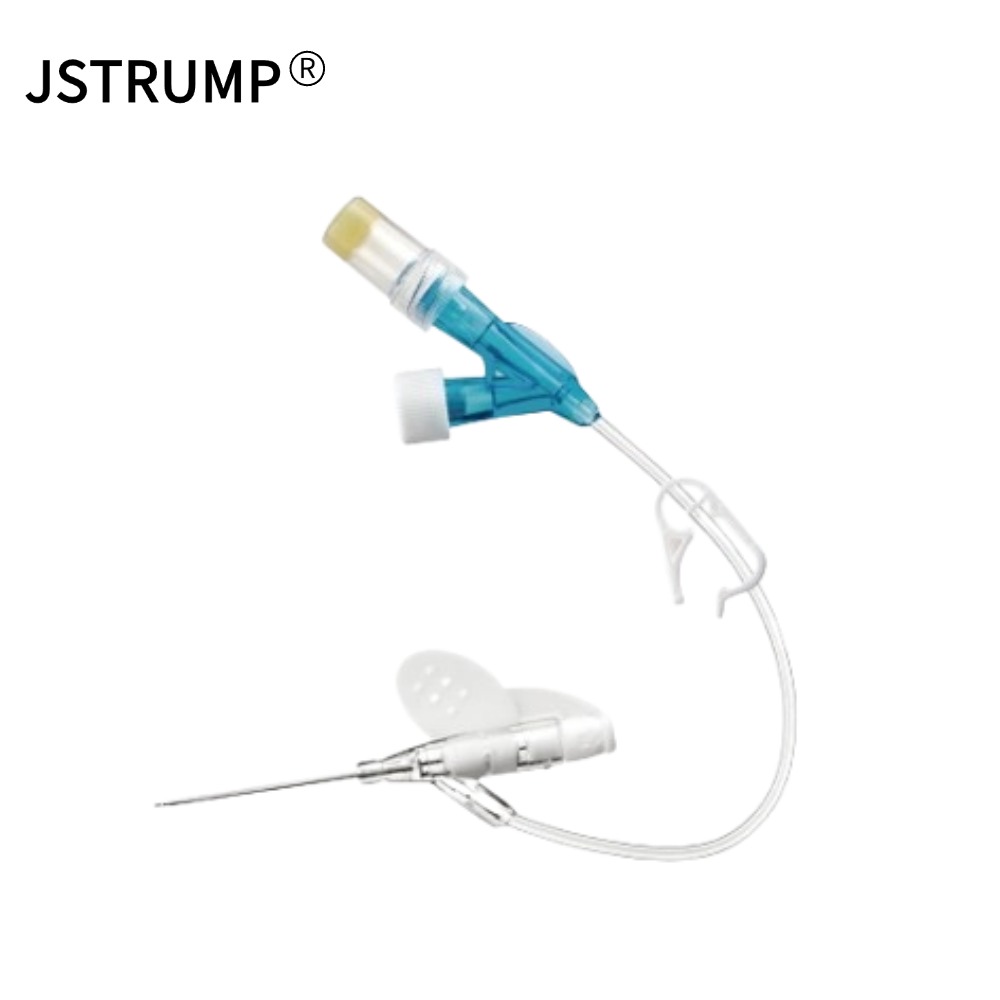
Definición de dispositivos de acceso intravenoso
Un dispositivo de acceso intravenoso es un producto médico estéril diseñado para proporcionar acceso temporal o ampliado al sistema vascular de un paciente con fines terapéuticos o de diagnóstico.
El objetivo principal es garantizar un acceso vascular seguro, confiable y eficiente minimizando al mismo tiempo las complicaciones y la incomodidad del paciente.
Por qué son importantes los dispositivos de acceso intravenoso
El acceso vascular confiable es esencial porque muchos tratamientos médicos dependen de la administración directa al torrente sanguíneo.
Sin acceso intravenoso, los profesionales de la salud pueden experimentar retrasos en la administración del tratamiento, especialmente durante las emergencias.
| Función | Propósito clínico |
|---|---|
| Entrega de medicamentos | Administración rápida del tratamiento |
| Terapia de fluidos | Hidratación y reposición de volumen. |
| Transfusión de sangre | Reemplazo de productos sanguíneos. |
| Apoyo nutricional | nutrición parenteral |
| Recolección de sangre | Pruebas de diagnóstico |
| Atención de emergencia | Intervención inmediata |
Los dispositivos de acceso intravenoso respaldan prácticamente todos los aspectos de la prestación de atención médica moderna.
Evolución de la tecnología de acceso intravenoso
El campo del acceso vascular ha experimentado un importante desarrollo en las últimas décadas.
Los dispositivos intravenosos anteriores se centraban principalmente en:
Funcionalidad básica
Técnicas de inserción simples
Materiales estándar para catéteres
Los dispositivos modernos ahora incorporan:
Sistemas de seguridad integrados
Materiales de catéter mejorados
Mecanismos de estabilización mejorados
Tecnologías de control de sangre.
Diseños ergonómicos
Mejores funciones de visibilidad
Estas innovaciones ayudan a mejorar tanto la seguridad del paciente como la protección de los trabajadores sanitarios.
Desarrollo histórico de los dispositivos de acceso intravenoso
Características:
Estructuras básicas de catéter
Funciones de seguridad mínimas
Diseño ergonómico limitado
Desafíos:
Mayores riesgos de lesiones
Mayor exposición a la contaminación
Menor eficiencia procesal
Características:
Ingeniería de seguridad avanzada
Mayor comodidad para el paciente
Precisión de inserción mejorada
Mejores sistemas de control sanguíneo
Beneficios:
Procedimientos más seguros
Flujo de trabajo mejorado
Mejores resultados del tratamiento
Principales tipos de dispositivos de acceso intravenoso
Generalmente se utilizan varias categorías de dispositivos de acceso intravenoso.
Las cánulas intravenosas periféricas se encuentran entre los productos de acceso vascular más utilizados.
Las características incluyen:
Uso a corto plazo
Fácil inserción
Amplia aplicabilidad clínica
Aplicaciones:
administración de medicamentos
Terapia de fluidos
Tratamiento de emergencia
Las cánulas intravenosas de seguridad incorporan mecanismos de protección diseñados para reducir las lesiones por pinchazos.
Los beneficios incluyen:
Mejora de la seguridad de los trabajadores sanitarios
Riesgos de exposición reducidos
Cumplimiento normativo mejorado
Los equipos de infusión con alas se utilizan habitualmente para:
recolección de sangre
Procedimientos cortos
Acceso venoso delicado
Ventajas:
Control mejorado
Mejor posicionamiento
Mayor comodidad del paciente
Los juegos de extensión proporcionan:
Flexibilidad adicional
Administración de medicamentos más sencilla
Movilidad mejorada del paciente
Avances en dispositivos de acceso intravenoso
Los desarrollos recientes han mejorado significativamente el rendimiento del dispositivo.
La seguridad sigue siendo una de las áreas de avance más importantes.
Los ejemplos incluyen:
Blindaje automático de la aguja
Sistemas de retracción de agujas.
Mecanismos de control de la sangre.
Sistemas de acceso cerrado
| Dispositivos tradicionales | Dispositivos avanzados |
|---|---|
| Agujas expuestas | Protección integrada |
| Eliminación manual | Sistemas automáticos de seguridad |
| Mayor riesgo de exposición | Riesgo de exposición reducido |
| Controles limitados | Funciones de seguridad mejoradas |
Estas innovaciones ayudan a reducir las lesiones laborales y mejorar la seguridad clínica.
Tecnologías de control de sangre
La exposición a la sangre sigue siendo una preocupación durante los procedimientos de acceso vascular.
Las tecnologías modernas de control sanguíneo ayudan a:
Reducir la fuga de sangre
Mejorar la limpieza
Minimizar los riesgos de contaminación
Mejorar la eficiencia procesal
Los beneficios incluyen una mayor protección de los trabajadores de la salud y entornos clínicos más limpios.
Materiales mejorados para catéteres
La innovación de materiales ha mejorado significativamente el rendimiento del catéter.
Los materiales modernos para catéteres ofrecen:
Mayor flexibilidad
Mejor durabilidad
Biocompatibilidad mejorada
Mayor comodidad para el paciente
| Propiedad | Beneficio clínico |
|---|---|
| Flexibilidad | Traumatismo vascular reducido |
| Durabilidad | Mayor confiabilidad |
| Biocompatibilidad | Mayor seguridad del paciente |
| Superficie lisa | Inserción más fácil |
Estas mejoras contribuyen a mejores experiencias de tratamiento.
Diseño ergonómico mejorado
Los dispositivos de acceso IV modernos enfatizan cada vez más el diseño centrado en el usuario.
Las ventajas incluyen:
Manejo más fácil
Control de inserción mejorado
Reducción de errores de procedimiento
Mayor confianza del médico
Los profesionales sanitarios se benefician de productos diseñados para un uso eficiente en condiciones exigentes.
Cómo los dispositivos modernos de acceso intravenoso mejoran la seguridad del paciente
La seguridad del paciente sigue siendo el principal objetivo de la innovación sanitaria.
Los dispositivos de acceso IV modernos contribuyen a través de varios mecanismos.
Los sistemas de seguridad integrados ayudan a reducir las lesiones accidentales entre los trabajadores de la salud.
Los beneficios incluyen:
Mejor seguridad laboral
Incidentes de exposición reducida
Cumplimiento mejorado de las directrices de seguridad
La estabilización segura ayuda a prevenir:
Movimiento del catéter
Desalojamiento accidental
Interrupciones del tratamiento
La ubicación estable respalda la administración constante de la terapia.
Los diseños avanzados de dispositivos ayudan a reducir las oportunidades de infección a través de:
Barreras estériles mejoradas
Sistemas cerrados
Controles de fabricación mejorados
| Característica | Ventaja |
|---|---|
| Embalaje estéril | Protección del producto |
| Diseño de un solo uso | Contaminación reducida |
| Sistemas de control de sangre | Procedimientos más limpios |
| Características de seguridad | Menor riesgo de exposición |
Comodidad mejorada para el paciente
Las mejoras en el diseño centradas en el paciente se centran en reducir las molestias.
Los dispositivos modernos ofrecen:
Perfiles de inserción más pequeños
Materiales de catéter flexibles
Estabilización mejorada
Los beneficios incluyen:
Dolor reducido
Mayor movilidad
Experiencias de tratamiento mejoradas
Beneficios de eficiencia clínica
Las organizaciones sanitarias priorizan cada vez más la eficiencia.
Los dispositivos de acceso intravenoso modernos ayudan a mejorar el flujo de trabajo de varias maneras.
Soporte de sistemas de inserción mejorados:
Trámites más rápidos
Reducción de los retrasos en el tratamiento.
Mejor respuesta de emergencia
Los diseños fáciles de usar reducen la complejidad.
Los beneficios incluyen:
Entrenamiento más rápido
Errores reducidos
Consistencia mejorada
Los dispositivos avanzados contribuyen a:
Entrega de tratamiento eficiente
Tiempos de procedimiento reducidos
Mejor utilización de recursos
| Área de mejora | Beneficio |
|---|---|
| Manejo del dispositivo | Trámites más rápidos |
| Precisión de inserción | Complicaciones reducidas |
| Características de seguridad | Flujo de trabajo mejorado |
| Sistemas de estabilización | Menos mantenimiento |
Especificaciones técnicas de los dispositivos de acceso intravenoso
Las especificaciones comunes varían según el tipo de producto.
| Especificación | Características típicas |
|---|---|
| Tipo de producto | Dispositivo de acceso intravenoso |
| Uso | Uso único |
| Esterilidad | Estéril |
| Material | Polímero de grado médico |
| Material de la aguja | Acero inoxidable |
| Embalaje | Paquete estéril individual |
| Duración | Fabricante definido |
| Cumplimiento | Estándares de atención médica |
Tamaños comunes de calibre de cánula
Las cánulas intravenosas están disponibles en varios tamaños de calibre.
| Tamaño del calibre | Aplicación típica |
|---|---|
| 14G | Traumatismo mayor |
| 16G | Administración rápida de líquidos |
| 18G | Transfusión de sangre |
| 20G | Terapia intravenosa general |
| 22G | Pacientes ancianos |
| 24G | Pacientes pediátricos |
La selección adecuada del calibre respalda resultados óptimos del tratamiento.
Mecanismos de seguridad y prevención de infecciones
Los dispositivos de acceso intravenoso modernos incorporan múltiples sistemas de seguridad.
Los ejemplos comunes incluyen:
Blindaje de aguja
Mecanismos retráctiles
válvulas de control de sangre
Tapas protectoras
Centros seguros
Estas características respaldan entornos de atención médica más seguros.
Conclusión (Parte 1)
Los avances en los dispositivos de acceso intravenoso han mejorado significativamente la seguridad del paciente, la protección de los trabajadores sanitarios, la eficiencia clínica y la fiabilidad del tratamiento. A través de innovaciones en ingeniería de seguridad, tecnología de control sanguíneo, materiales de catéter, diseño ergonómico y precisión de fabricación, las soluciones modernas de acceso vascular continúan respaldando mejores resultados de atención médica en todo el mundo.
(Continúe con la Parte 2 para tecnologías de fabricación, estándares regulatorios, sostenibilidad, tendencias del mercado, innovaciones futuras, tablas técnicas ampliadas, consideraciones de adquisiciones, preguntas frecuentes y conclusión final).
Este sitio web utiliza cookies para garantizar que obtenga la mejor experiencia en nuestro sitio web.






 Teléfono
Comentario
(0)