
Los Suministros médicos desechables desempeñan un papel clave en los procedimientos clínicos modernos
Introducción
¿Qué son los suministros médicos desechables?
La evolución de los suministros médicos desechables
Por qué los suministros médicos desechables son esenciales en los procedimientos clínicos modernos
Principales categorías de suministros médicos desechables
Suministros médicos desechables utilizados en hospitales
Suministros médicos desechables utilizados en clínicas y centros ambulatorios
Suministros médicos desechables en emergencias y cuidados críticos
Prevención de infecciones y seguridad del paciente
Beneficios de los suministros médicos desechables
Características del producto y características técnicas
Especificaciones comunes de suministros médicos desechables
Materiales utilizados en productos médicos desechables
Tecnologías de fabricación y garantía de calidad
Cumplimiento normativo y estándares industriales
Importancia de la cadena de suministro en la atención sanitaria
Tendencias de sostenibilidad en suministros médicos desechables
Innovaciones futuras y perspectivas del mercado
Preguntas frecuentes
Conclusión
Introducción
Los suministros médicos desechables se han convertido en uno de los componentes más importantes de los sistemas sanitarios modernos. Todos los días, los profesionales de la salud dependen de productos médicos desechables para diagnosticar enfermedades, administrar tratamientos, realizar procedimientos quirúrgicos, recolectar muestras biológicas, administrar terapias intravenosas y apoyar la recuperación de los pacientes.
El creciente énfasis en la seguridad del paciente, la prevención de infecciones, la eficiencia clínica y el cumplimiento normativo ha aumentado significativamente el uso de suministros médicos desechables en hospitales, clínicas, laboratorios, departamentos de emergencia, centros quirúrgicos y entornos de atención médica domiciliaria.
La atención sanitaria moderna depende de productos que proporcionen una calidad constante, un rendimiento fiable y una protección estéril. Los productos médicos desechables ayudan a los proveedores de atención médica a reducir los riesgos de contaminación, optimizar los flujos de trabajo, mejorar los resultados de los pacientes y mantener altos estándares de atención.
A medida que la infraestructura de atención médica continúa expandiéndose en todo el mundo, los suministros médicos desechables desempeñan un papel cada vez más crítico en el apoyo a los procedimientos clínicos y la mejora de la prestación de atención médica.
Esta guía completa examina la importancia de los suministros médicos desechables en los procedimientos clínicos modernos, explora categorías de productos clave, analiza especificaciones y estándares de calidad y destaca las tendencias futuras que darán forma a la industria.
¿Qué son los suministros médicos desechables?
Los suministros médicos desechables son productos sanitarios destinados a aplicaciones de un solo uso. Una vez finalizado un procedimiento o tratamiento, el producto se desecha en lugar de reutilizarse.
Estos productos están diseñados para:
Apoyar los procedimientos clínicos.
Reducir los riesgos de contaminación
Mantener los estándares de higiene.
Mejorar la eficiencia de la atención sanitaria
Proteger a los pacientes y a los profesionales sanitarios.
Los productos médicos desechables se utilizan prácticamente en todos los entornos sanitarios.
Los suministros médicos desechables son productos médicos de un solo uso fabricados para aplicaciones de diagnóstico, terapéuticas, de seguimiento, quirúrgicas y de control de infecciones.
Están desarrollados para proporcionar:
Calidad constante
Rendimiento estéril
Funcionalidad confiable
Protección del paciente
Eficiencia clínica
La adopción generalizada de productos médicos desechables ha transformado las prácticas sanitarias en todo el mundo.
La evolución de los suministros médicos desechables
El uso de productos médicos desechables se ha ampliado significativamente en las últimas décadas.
Los sistemas sanitarios anteriores dependían en gran medida de instrumentos y dispositivos reutilizables.
Los desafíos incluyeron:
Esterilización que requiere mucho tiempo
Mayores riesgos de contaminación
Mayores requisitos de mantenimiento
Mayores costos laborales
Los productos desechables modernos ofrecen alternativas prácticas que mejoran la eficiencia y la seguridad.

| Período | Desarrollo de la industria |
|---|---|
| Adopción temprana | Se introducen productos desechables básicos |
| Fase de expansión | Uso más amplio en los centros sanitarios |
| Enfoque de seguridad | Diseños mejorados de prevención de infecciones. |
| Era moderna | Materiales avanzados y tecnologías de seguridad. |
| Dirección futura | Fabricación inteligente y sostenibilidad |
Hoy en día, los suministros médicos desechables representan un componente central de la prestación de atención médica.
Por qué los suministros médicos desechables son esenciales en los procedimientos clínicos modernos
Los procedimientos clínicos modernos requieren productos que respalden la precisión, la eficiencia y la seguridad del paciente.
Los productos desechables ayudan a los profesionales de la salud a realizar procedimientos en condiciones higiénicas y controladas.
Los centros sanitarios gestionan diariamente grandes volúmenes de pacientes.
Los productos desechables ayudan a:
Reducir el tiempo de preparación
Eliminación de requisitos de esterilización
Optimización de los flujos de trabajo
Mejorar los tiempos de respuesta de los trámites
Estas ventajas contribuyen a operaciones de atención médica más eficientes.
La seguridad del paciente sigue siendo el objetivo principal de los sistemas sanitarios.
Los suministros médicos desechables respaldan la seguridad del paciente a través de:
Diseño de producto estéril.
Riesgos de contaminación reducidos
Calidad de fabricación constante
Rendimiento confiable
Los productos desechables de alta calidad ayudan a mejorar los resultados del tratamiento.
Principales categorías de suministros médicos desechables
Los suministros médicos desechables abarcan una amplia gama de productos sanitarios.
Los dispositivos de acceso intravenoso proporcionan acceso vascular para:
administración de medicamentos
Terapia de fluidos
Transfusiones de sangre
Apoyo nutricional
Los ejemplos comunes incluyen:
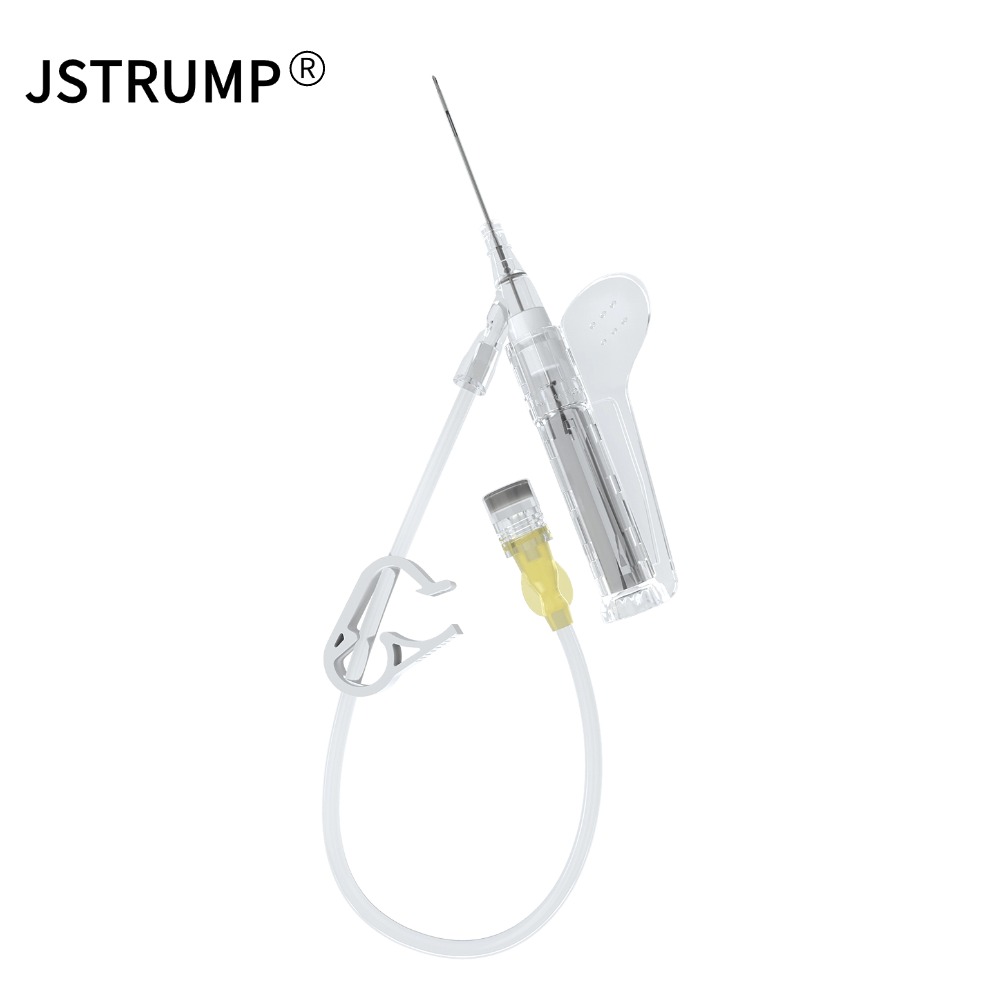
Cánulas intravenosas
Cánulas intravenosas de seguridad
Juegos de extensión
Accesorios de infusión
Los productos de extracción de sangre respaldan las pruebas de diagnóstico y la monitorización del paciente.
Los ejemplos incluyen:
Lancetas de seguridad
Lancetas Desechables
Dispositivos de muestreo
Estos productos ayudan a garantizar una recolección precisa de muestras.
Los productos relacionados con las inyecciones son esenciales para la prestación de atención médica.
Ejemplos:
Agujas de inyección
Sistemas de inyección de seguridad
Las aplicaciones incluyen:
Vacunas
Entrega de medicamentos
Tratamiento de emergencia
Los productos de infusión facilitan la administración controlada de líquidos y medicamentos.
Productos comunes:
Conjuntos de infusión
Tubo de extensión
Conectores
Estos productos apoyan una amplia gama de terapias.
Los productos para el tratamiento de heridas ayudan a favorecer la curación y la prevención de infecciones.
Los ejemplos incluyen:
Apósitos
Vendas
Gasa estéril
Accesorios para cierre de heridas
Los productos de protección ayudan a proteger a los profesionales sanitarios y a los pacientes.
Ejemplos:
Guantes de examen
Guantes Quirúrgicos
Mascarillas
Ropa protectora
Suministros médicos desechables utilizados en hospitales
Los hospitales se encuentran entre los mayores usuarios de productos médicos desechables.
Los equipos de atención médica dependen de estos productos para casi todos los aspectos de la atención al paciente.
La atención de emergencia requiere un acceso rápido a productos desechables confiables.
Artículos de uso común:
Dispositivos de acceso intravenoso
Suministros para la recolección de sangre
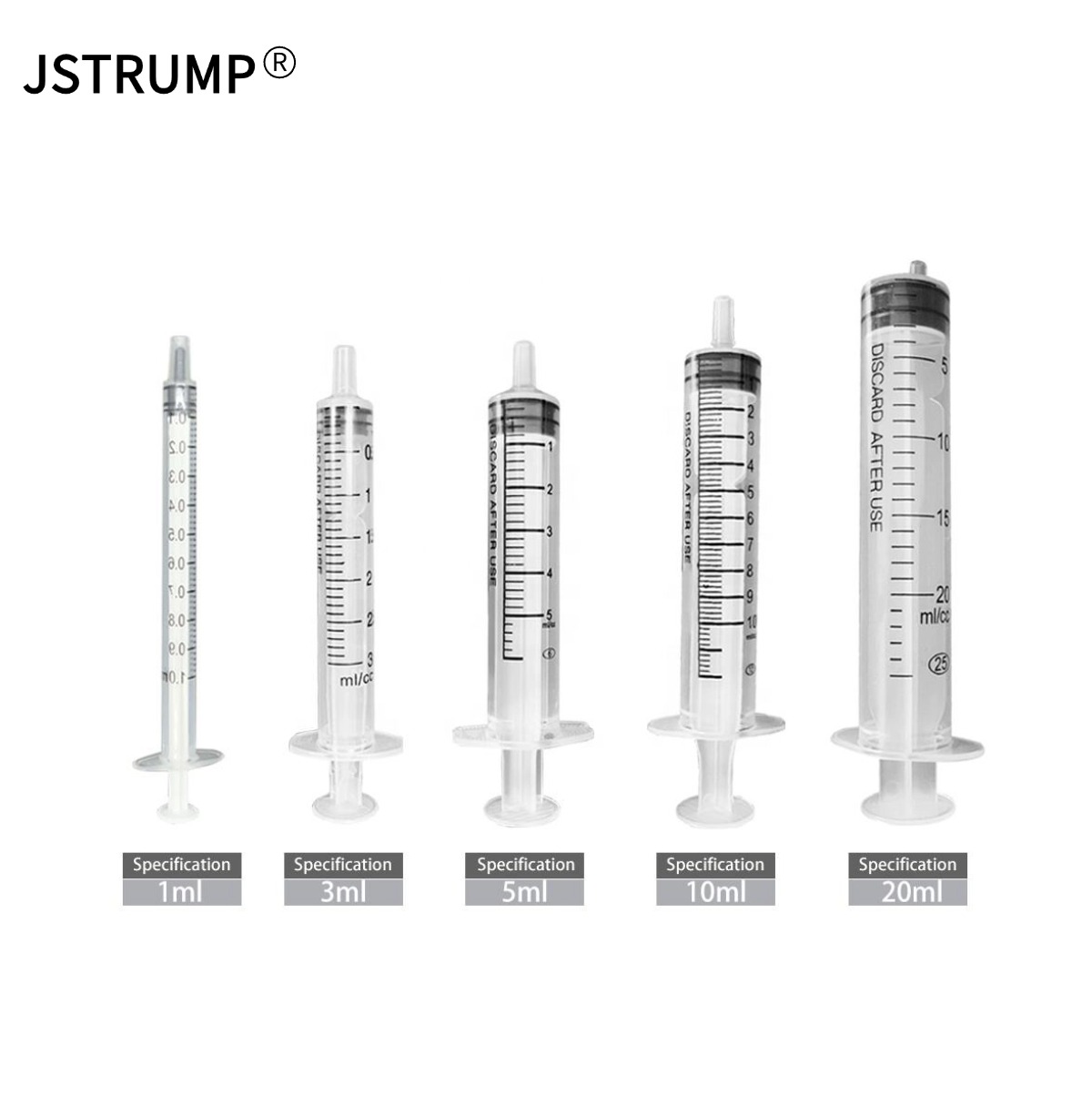
Jeringas
Productos de infusión
El acceso rápido a estos productos respalda el tratamiento oportuno.
Los pacientes de la UCI a menudo requieren:
Terapia intravenosa continua
Muestreo de sangre frecuente
Infusiones de medicamentos
Apoyo nutricional
Los productos desechables ayudan a mantener la seguridad del paciente durante el tratamiento intensivo.
Los procedimientos quirúrgicos requieren productos desechables estériles.
Ejemplos:
Paños Quirúrgicos
Guantes
Productos de infusión
Accesorios para la extracción de sangre
Estos productos apoyan la prevención de infecciones durante la cirugía.
Suministros médicos desechables utilizados en clínicas y centros ambulatorios
Las clínicas dependen de productos desechables para los servicios sanitarios de rutina.
Las aplicaciones incluyen:
Exámenes de pacientes
Vacunas
Pruebas de diagnóstico
Trámites menores
Los productos desechables ayudan a mantener la eficiencia y la higiene.
Suministros médicos desechables en emergencias y cuidados críticos
La medicina de emergencia depende en gran medida de productos desechables.
Los profesionales de la salud a menudo necesitan acceso inmediato a:
Cánulas intravenosas
Dispositivos de recolección de sangre
Jeringas
Conjuntos de infusión
Los productos fiables permiten una intervención rápida.
Los pacientes en cuidados críticos a menudo requieren:
Tratamiento continuo
Monitoreo frecuente
Terapias múltiples
Los productos desechables ayudan a facilitar estos complejos planes de tratamiento.
Prevención de infecciones y seguridad del paciente
Una de las ventajas más importantes de los suministros médicos desechables es la prevención de infecciones.
Las infecciones asociadas a la atención sanitaria siguen siendo una preocupación importante.
Los productos desechables ayudan a reducir los riesgos de infección al eliminar la reutilización.
| Característica | Beneficio clínico |
|---|---|
| Diseño de un solo uso | Contaminación reducida |
| Embalaje estéril | Protección del producto |
| Características de seguridad | Mayor seguridad de los trabajadores |
| Calidad constante | Rendimiento confiable |
Los centros sanitarios dan cada vez más prioridad a las soluciones desechables como parte de las estrategias de control de infecciones.
Beneficios de los suministros médicos desechables
Los productos médicos desechables ofrecen numerosas ventajas.
Los productos desechables ayudan a mantener ambientes clínicos limpios.
Los beneficios incluyen:
Contaminación reducida
Procedimientos simplificados
Mejor prevención de infecciones
Los centros de salud se benefician de:
Necesidades de esterilización reducidas.
Preparación más rápida del procedimiento
Gestión de flujo de trabajo mejorada
Los productos de alta calidad ayudan a garantizar:
Rendimiento predecible
Resultados clínicos confiables
Experiencias mejoradas para los pacientes
Los beneficios de seguridad incluyen:
Riesgos de exposición reducidos
Menores oportunidades de contaminación
Mejor protección del paciente
Características del producto y características técnicas
Los suministros médicos desechables modernos incorporan numerosas funciones avanzadas.
Embalaje estéril
Diseño de un solo uso
Materiales de grado médico
Fabricación de precisión
Diseño ergonómico
Estas características respaldan el rendimiento clínico y la seguridad del paciente.
| Característica | Beneficio |
|---|---|
| Esterilidad | Prevención de infecciones |
| Fiabilidad | Resultados consistentes |
| Biocompatibilidad | Seguridad del paciente |
| Durabilidad | Integridad del producto |
| Facilidad de uso | Eficiencia mejorada |
Especificaciones comunes de suministros médicos desechables
Las especificaciones varían según el tipo de producto.
| Especificación | Descripción |
|---|---|
| Tipo de producto | Suministro médico desechable |
| Uso previsto | Uso único |
| Esterilidad | Estéril o no estéril |
| Material | Material de grado médico |
| Embalaje | Individual o a granel |
| Duración | Fabricante definido |
| Condiciones de almacenamiento | Ambiente controlado |
| Cumplimiento | Normas sanitarias aplicables |
Estas especificaciones ayudan a las organizaciones sanitarias a evaluar la idoneidad del producto.
Materiales utilizados en productos médicos desechables
La selección de materiales influye significativamente en el rendimiento del producto.
| Propiedad | Importancia |
|---|---|
| Biocompatibilidad | Seguridad del paciente |
| Flexibilidad | Comodidad del usuario |
| Durabilidad | Fiabilidad del producto |
| Compatibilidad de esterilización | Cumplimiento |
| Transparencia | Inspección visual |
Los fabricantes mejoran continuamente los materiales para mejorar la funcionalidad.
Tecnologías de fabricación y garantía de calidad
Los suministros médicos desechables modernos se producen utilizando sistemas de fabricación avanzados.
Las tecnologías comunes incluyen:
Moldeo por inyección de precisión
Montaje automatizado
Monitoreo de procesos digitales
Sistemas de embalaje avanzados
Estas tecnologías ayudan a mejorar la coherencia y la eficiencia.
Los fabricantes suelen implementar:
Inspecciones de materiales
Validación de procesos
Pruebas funcionales
Verificación de embalaje
Garantía de esterilidad
El control de calidad respalda el rendimiento confiable del producto.
Cumplimiento normativo y estándares industriales
Los suministros médicos desechables deben cumplir estrictos requisitos de calidad y seguridad.
Los fabricantes se centran en:
Seguridad del producto
Gestión de riesgos
Trazabilidad
Control de documentación
Validación de procesos
El cumplimiento respalda la confianza de los proveedores de atención médica.
Importancia de la cadena de suministro en la atención sanitaria
Las cadenas de suministro confiables garantizan la disponibilidad continua del producto.
Los centros de salud dependen de:
Niveles de inventario estables
Entrega oportuna
Calidad constante
La confiabilidad de la cadena de suministro impacta directamente en la atención al paciente.
| Beneficio | Impacto |
|---|---|
| Disponibilidad del producto | Cuidado continuo |
| Control de inventario | Mejor planificación |
| Escasez reducida | Estabilidad operativa |
| Logística eficiente | Entrega más rápida |
Tendencias de sostenibilidad en suministros médicos desechables
La responsabilidad medioambiental es cada vez más importante.
Las iniciativas de la industria incluyen:
Embalaje sostenible
Reducción de residuos
Optimización de recursos
Producción energéticamente eficiente
Las organizaciones sanitarias consideran cada vez más la sostenibilidad a la hora de tomar decisiones de adquisición.
Innovaciones futuras y perspectivas del mercado
La industria de suministros médicos desechables continúa evolucionando.
Los desarrollos esperados incluyen:
Tecnologías de seguridad avanzadas
Rendimiento de materiales mejorado
Sistemas de fabricación inteligentes
Mayor integración de la sostenibilidad
Se espera que la demanda de atención sanitaria se mantenga fuerte en el futuro previsible.
Preguntas frecuentes
Los suministros médicos desechables son productos sanitarios de un solo uso diseñados para el diagnóstico, tratamiento, seguimiento y prevención de infecciones.
Ayudan a reducir los riesgos de contaminación, mejorar la seguridad del paciente y respaldar la prestación eficiente de atención médica.
Los ejemplos incluyen dispositivos de acceso intravenoso, jeringas, productos para extracción de sangre, productos de infusión, guantes y consumibles de diagnóstico.
Proporcionan soluciones estériles, confiables y consistentes que respaldan un tratamiento seguro y eficaz.
Los hospitales buscan mejorar el control de infecciones, la eficiencia operativa y el cumplimiento normativo.
Conclusión
Los suministros médicos desechables desempeñan un papel clave en los procedimientos clínicos modernos porque respaldan la seguridad del paciente, la prevención de infecciones, la eficiencia clínica y la prestación confiable de atención médica. Desde dispositivos de acceso intravenoso y productos para extracción de sangre hasta jeringas, productos de infusión, suministros para el cuidado de heridas y equipos de protección, los productos médicos desechables son esenciales en prácticamente todos los entornos sanitarios.
A medida que los sistemas de atención médica sigan evolucionando, la demanda de suministros médicos desechables de alta calidad seguirá siendo fuerte. Los avances en materiales, tecnologías de fabricación, ingeniería de seguridad, gestión de calidad e iniciativas de sostenibilidad seguirán mejorando el rendimiento de los productos y respaldando mejores resultados de atención sanitaria en todo el mundo.
Este sitio web utiliza cookies para garantizar que obtenga la mejor experiencia en nuestro sitio web.






 Teléfono
Comentario
(0)