
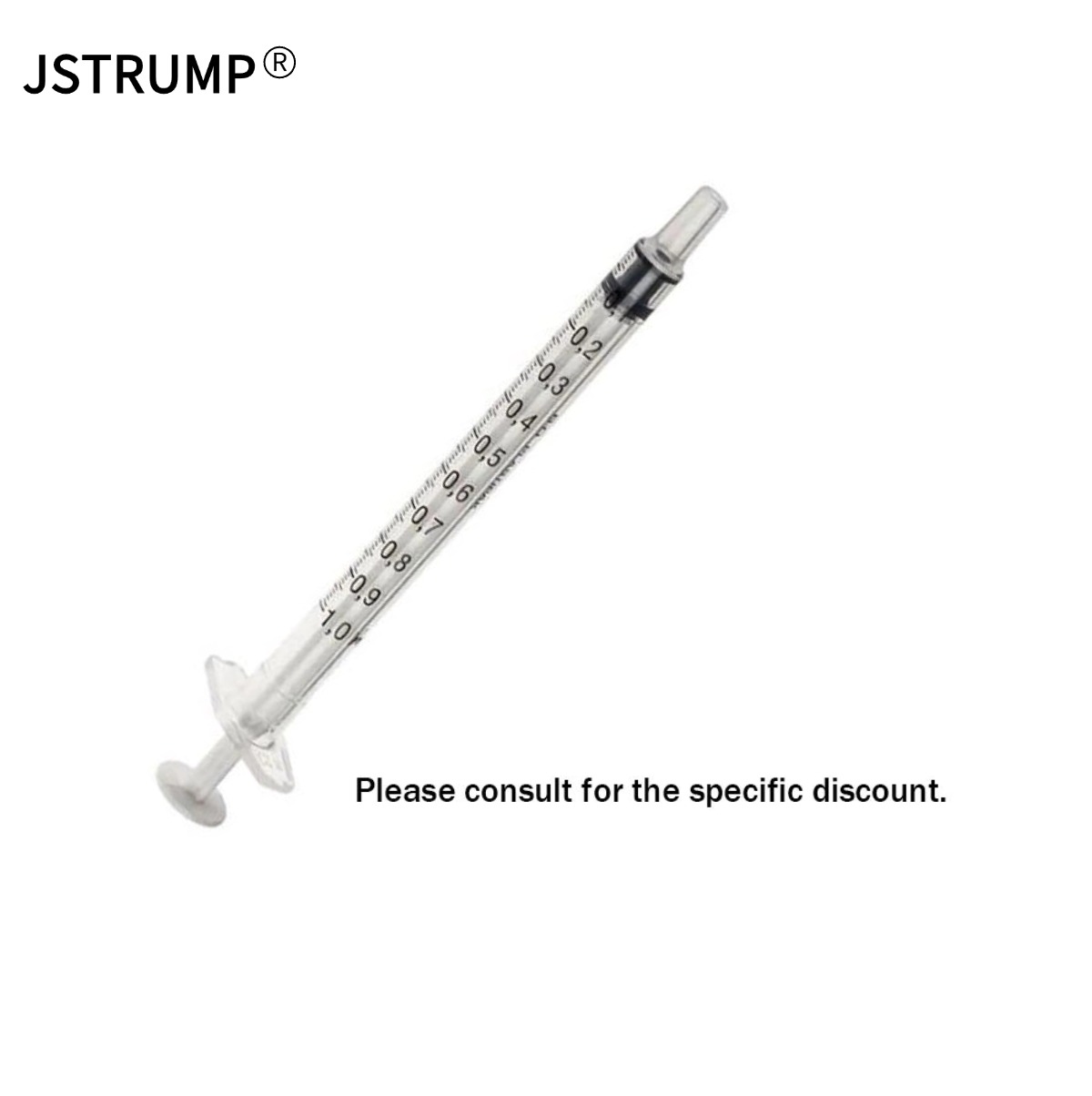
Medical training schools purchase complete teaching kits from professional medical consumables manufacturers to support practical learning, simulation-based education, and standardized clinical skill development. In modern healthcare education, the demand for reliable, consistent, and professionally assembled teaching kits continues to grow as schools, colleges, vocational institutes, and simulation centers aim to improve hands-on training outcomes. These kits are designed to help students practice essential medical procedures in a controlled, safe, and repeatable environment before they enter real clinical settings.
A professional medical consumables manufacturer typically supplies training kits with carefully selected items that reflect everyday clinical use. These products are commonly used in nursing labs, medical assistant programs, emergency care training, phlebotomy education, wound care instruction, injection practice, basic surgical simulation, and other healthcare training modules. For institutions that need dependable product quality, standardized packaging, and cost-effective bulk purchasing, complete teaching kits offer a practical and scalable solution.
From a procurement perspective, medical training schools often prefer to buy complete teaching kits because they simplify sourcing, reduce preparation time, improve consistency across classrooms, and support curriculum alignment. Instead of purchasing individual consumables from multiple suppliers, educators can order a ready-to-use kit that includes the core items needed for a specific lesson or skill station. This improves operational efficiency and helps ensure that every student receives the same training materials.
A medical teaching kit is a packaged set of consumable supplies, disposable instruments, practice materials, and training accessories used for healthcare education and simulation. These kits are built around specific learning objectives and are commonly used in laboratory instruction, clinical skills workshops, and simulation exercises. They may be configured for general nursing practice, injection training, dressing changes, catheter care, wound treatment, first aid, emergency response, or other medical education needs.
In many cases, a teaching kit includes sterile or non-sterile consumables, depending on the training goal. Some kits are designed for repeated demonstration and student handling, while others are intended for one-time simulation events. A complete kit from a professional medical consumables manufacturer is usually assembled with attention to product compatibility, safety, hygiene, packaging convenience, and educational value.
Medical training schools buy complete teaching kits for a range of practical and educational reasons. These kits help instructors deliver standardized lessons while reducing the administrative burden of sourcing and assembling multiple items. In addition, they allow schools to maintain a stable inventory of commonly used consumables, which is essential in high-volume training environments.
Standardization is one of the most important advantages of complete teaching kits. When all students use the same consumables and tools, instructors can deliver consistent demonstrations and evaluations. This is especially valuable in skills-based programs where students must follow precise procedures and meet competency requirements. Standardized kits also make it easier to assess performance fairly across different classes and training groups.
Purchasing complete kits saves time for school procurement teams, lab managers, and instructors. Rather than managing multiple suppliers and product codes, the institution can source a single configured package. This reduces purchasing complexity, shortens lead times, and simplifies reordering. For busy training departments, streamlined procurement is a major operational advantage.
Complete kits can offer better cost control compared with separate item purchasing. Bulk packaging and integrated assembly often reduce per-unit handling costs and logistics expenses. Schools can also plan budgets more accurately because each kit has a defined contents list and predictable pricing structure. This makes it easier to manage training costs across semesters or academic years.
A ready-to-use teaching kit helps instructors prepare classrooms and simulation labs more efficiently. Since the necessary consumables are already grouped together, setup time is reduced and lesson preparation becomes easier. This is particularly important for programs with frequent practical sessions, rotating student groups, or limited staff support.
Teaching kits can be matched to specific curriculum requirements. For example, a wound care kit can support dressing change instruction, while an injection kit can be used for intramuscular, subcutaneous, or intradermal practice. Curriculum-aligned kits help schools ensure that the consumables used in training reflect the learning outcomes and procedural standards required by the program.
A professional medical consumables manufacturer plays a central role in supplying schools with reliable teaching materials. Unlike general trading sources, a manufacturer focused on medical consumables typically understands product specifications, hygiene standards, packaging requirements, and educational use cases. This expertise helps ensure that kits are built with consistent quality and suitable for repeated institutional use.
Manufacturers may produce or source a wide range of consumable items, such as gloves, gauze, swabs, syringes, bandages, dressing materials, specimen collection items, disposable trays, alcohol pads, and related practice supplies. Their production and assembly processes are often designed to support bulk orders, custom configurations, private labeling, and export-ready packaging. For schools purchasing training kits, this can mean better quality assurance and more flexible product options.
Teaching kits are used across many areas of healthcare education. Depending on the school’s curriculum, a kit may be applied in basic nursing education, allied health programs, emergency medical training, laboratory skills sessions, or advanced simulation courses. Below are some common use cases.
| Training Area | Typical Kit Purpose | Common Consumables Included |
|---|---|---|
| Nursing Skills Training | Practice routine patient care procedures | Gloves, gauze, dressings, tape, swabs, alcohol pads |
| Injection Practice | Demonstrate safe injection technique | Syringes, needles, alcohol swabs, cotton pads, practice accessories |
| Wound Care Education | Teach wound cleaning and dressing application | Bandages, sterile gauze, dressings, saline components, tape |
| Phlebotomy Training | Support blood draw and specimen handling practice | Tourniquets, collection accessories, swabs, gloves, tubing-related items |
| Emergency Care Simulation | Practice first aid and response procedures | Bandages, dressings, gloves, wipes, trauma-related consumables |
| Surgical Basics | Introduce sterile handling and procedure preparation | Gauze, drapes, gloves, prep materials, sterile packaging items |
The exact contents of a teaching kit vary depending on the training objective, student level, and institutional requirements. However, many complete kits are built around a core set of consumables that are widely used in educational settings.
| Component | Function in Training | Notes |
|---|---|---|
| Disposable Gloves | Promote hygiene and infection control practice | Available in latex, nitrile, or vinyl options |
| Gauze Pads | Used for cleaning, covering, and absorbing fluids | Often sterile or non-sterile depending on use |
| Alcohol Pads | Support skin preparation and antiseptic demonstrations | Common in injection and wound care kits |
| Medical Tape | Secures dressings and practice bandages | Can be paper, cloth, or plastic-backed |
| Bandages | Used in wrapping and wound support practice | Elastic and non-elastic types may be included |
| Syringes and Needles | Support injection technique training | Often included in controlled instructional settings |
| Swabs and Applicators | Assist in cleaning, sampling, and application practice | May be cotton-tipped or foam-tipped |
| Specimen Accessories | Support laboratory and collection demonstrations | Used in phlebotomy and sample handling lessons |
| Dressing Materials | Teach wound management and sterile technique | Includes pads, wraps, and securement items |
| Disposable Trays or Packs | Help organize procedure materials | Useful for simulation stations and lab setup |
Buying from a manufacturer can provide several benefits over purchasing scattered items from multiple sources. These advantages matter especially to education buyers who need consistency, documentation, and predictable supply.
Product consistency is essential in a learning environment. When schools purchase from a manufacturer that specializes in medical consumables, they are more likely to receive uniform product sizing, packaging, and performance. This helps educators avoid classroom disruptions caused by inconsistent materials.
Training schools often need large quantities of consumables for multiple classes, lab sections, or campuses. Manufacturers can usually support bulk supply more effectively than small retailers. This is valuable for institutions with recurring orders and long-term procurement plans.
Many medical training schools require kits tailored to specific subjects or teaching methods. A professional manufacturer may offer customization based on contents, quantity, packaging style, labeling, or kit format. This helps schools create a more precise match between training materials and curriculum goals.
Educational kits benefit from neat, logical organization. Properly packed kits save setup time and improve usability during instruction. Manufacturers experienced in teaching kits often design packaging that supports easy distribution, inventory counting, and station-based learning.
Schools need dependable supply partners to maintain training schedules. Manufacturers with stable production systems are often better positioned to support ongoing demand over many semesters. This reduces the risk of training interruptions caused by stock shortages or inconsistent sourcing.
When medical training schools evaluate teaching kits, they should look beyond price alone. Several quality factors affect usability, educational value, and procurement efficiency. These include material quality, packaging integrity, product compatibility, batch consistency, and shelf-life considerations.
| Quality Factor | Why It Matters | What Schools Should Check |
|---|---|---|
| Material Quality | Affects durability and usability during training | Thickness, flexibility, absorbency, and finish |
| Packaging Integrity | Protects items during shipping and storage | Seal strength, labeling, and damage resistance |
| Kit Completeness | Ensures all required items are included | Contents list, quantities, and component matching |
| Batch Consistency | Supports standardized learning outcomes | Uniformity across repeated orders |
| Shelf Life | Important for stored consumables and sterile items | Expiration dates and storage requirements |
| Training Compatibility | Determines how well the kit supports the lesson plan | Appropriateness for the skill being taught |
Teaching kit specifications vary widely, but schools often review a set of common technical and procurement details before placing an order. The table below provides a general example of the kinds of specifications that may be listed in a product catalog or directory page.
| Specification Item | Typical Range or Description |
|---|---|
| Kit Type | Injection training, wound care, nursing practice, first aid, phlebotomy, surgical simulation |
| Target Users | Medical training schools, nursing schools, vocational colleges, simulation centers |
| Contents | Consumables, practice accessories, hygiene items, dressing materials, procedure support items |
| Material Options | Medical-grade paper, plastic, nonwoven fabric, cotton, latex, nitrile, gauze, adhesive materials |
| Packaging | Individual pouch, boxed set, station pack, classroom pack, bulk kit |
| Sterility | Sterile, non-sterile, or mixed based on training application |
| Customization | Available for contents, branding, quantities, and layout in many cases |
| Storage | Dry, clean, room-temperature storage recommended for many consumables |
| Order Volume | Small institutional trial orders to large-scale bulk supply |
| Application | Classroom demonstration, simulation labs, practical examinations, skill assessment |
From an industry content perspective, the phrase medical training schools purchase complete teaching kits from professional medical consumables manufacturer reflects a strong commercial and informational search intent. Buyers looking for this type of solution often want to understand what a kit includes, why it is useful, how it compares to individual item purchasing, and what standards should guide procurement. For this reason, content built around this topic performs well when it is structured with clear headings, keyword-relevant terms, and practical tables.
For school administrators, procurement officers, distributors, and education suppliers, content that explains complete teaching kits can help answer common pre-purchase questions. Search engines also favor pages that present topic relevance, depth, and semantic clarity. This is why blog articles, directory pages, product category pages, and industry landing pages should include definitions, benefits, applications, specifications, and comparison data in a clean format.
Curriculum designers and lab managers benefit from complete teaching kits because they simplify instructional planning. Rather than selecting every item one by one, educators can focus on the teaching objective and let the kit support the workflow. This improves coordination between curriculum structure, lab setup, and student practice.
Lab managers also benefit from easier inventory management. When kits are standardized, it becomes simpler to track usage, restock consumables, and plan reorder cycles. This can reduce waste and help control laboratory operating costs. For institutions with multiple departments or campuses, standardized kits can also improve consistency across training sites.
Complete teaching kits are used in many types of educational organizations. The broad applicability of these kits makes them a valuable procurement category for the healthcare training sector.
| Institution Type | How Teaching Kits Are Used |
|---|---|
| Nursing Schools | Support daily skills labs, patient care simulation, and assessment practice |
| Medical Colleges | Assist with foundational clinical education and supervised lab training |
| Vocational Training Centers | Provide practical tools for short-term healthcare certification programs |
| Simulation Centers | Offer standardized materials for high-fidelity and low-fidelity simulation sessions |
| Hospital Education Departments | Use kits for staff training, orientation, and refresher courses |
| Allied Health Schools | Train students in supportive clinical procedures and patient interaction tasks |
Several factors influence how medical training schools choose a teaching kit supplier. Although price is important, it is only one part of the decision. Schools also consider product relevance, supply reliability, packaging convenience, and the ability to standardize training materials.
In the medical education market, schools often look for consumables that are safe, easy to use, and suitable for repeated practice sessions. Typical product characteristics include clear labeling, hygienic packaging, appropriate size ranges, and compatibility with common training models.
| Desired Characteristic | Educational Benefit |
|---|---|
| Clear labeling | Reduces confusion during class setup and sorting |
| Easy-open packaging | Speeds up lab preparation and student access |
| Safe handling design | Supports student learning in controlled environments |
| Appropriate sizing | Improves realism and procedural accuracy |
| Reliable consistency | Ensures repeatable demonstrations and assessments |
| Cost-efficient supply | Helps schools manage training budgets effectively |
Medical training schools purchase complete teaching kits from professional medical consumables manufacturers because these kits provide a practical, standardized, and efficient way to support clinical education. They help schools improve classroom consistency, simplify procurement, control costs, and align supplies with training objectives. Whether used in nursing education, phlebotomy practice, wound care instruction, emergency response training, or broader simulation programs, complete teaching kits remain an essential part of modern healthcare education.
For institutions seeking reliable, scalable, and curriculum-friendly training materials, complete teaching kits offer a strong solution. By focusing on quality, completeness, packaging, and educational relevance, schools can create better learning experiences and support stronger student outcomes. As demand for hands-on medical education continues to grow, the importance of well-assembled teaching kits from professional medical consumables manufacturers will continue to increase across the global training market.
Este sitio web utiliza cookies para garantizar que obtenga la mejor experiencia en nuestro sitio web.



 Teléfono
Comentario
(0)