
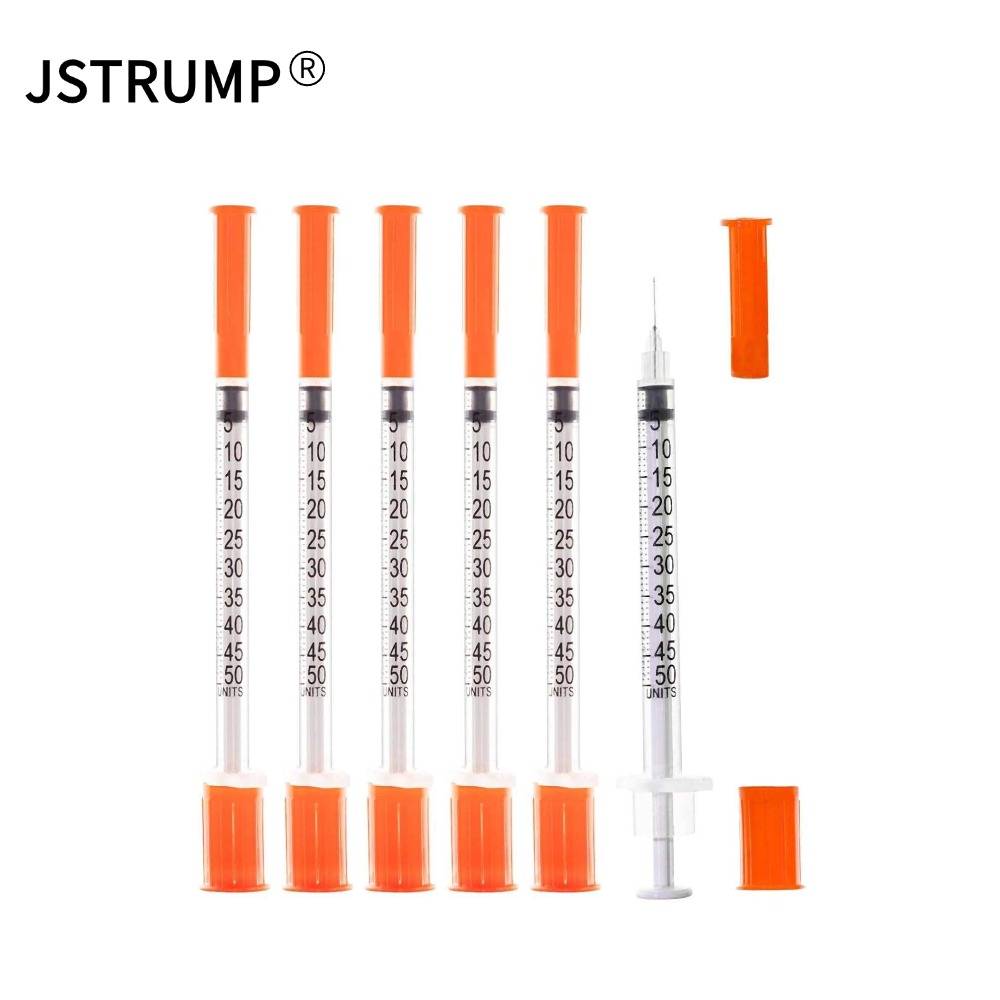
Outdoor rescue teams carry lightweight sterile IV access devices for field wound infusion because rapid fluid delivery, infection control, and portability are critical in austere environments. In mountain rescue, wilderness response, disaster relief, remote transport, and tactical field operations, caregivers often need to establish reliable vascular access or wound irrigation support under time pressure, changing weather, limited lighting, and difficult terrain. Lightweight sterile IV access devices help teams reduce pack burden while maintaining the clinical standards required for safe field treatment.
This topic is increasingly important for search users looking for field IV access devices, portable sterile infusion tools, wilderness medical supply solutions, and outdoor emergency wound infusion equipment. For directory pages, industry pages, and blog content, a clear explanation of device functions, advantages, specifications, and selection criteria can help improve relevance for SEO and user intent.
Lightweight sterile IV access devices are compact medical tools used to establish intravenous access or support controlled fluid delivery in emergency and remote care settings. In field rescue, these products are selected for their low weight, sterile packaging, fast deployment, and compatibility with common infusion workflows. Their role may include vascular access, fluid administration, medication delivery, or support for wound-related irrigation protocols in prehospital environments.
When rescue teams work outdoors, every gram matters. Equipment must fit into packs, trauma kits, rescue sleds, or vehicle caches. At the same time, sterile barriers and clinically acceptable materials remain essential. That is why many field medical systems prioritize portable sterile IV devices with simple handling, durable construction, and clear size labeling.
Outdoor rescue teams operate in conditions where transport time is unpredictable and advanced care may be delayed. Lightweight sterile IV access devices help bridge the gap between scene arrival and hospital transfer. These devices are used in environments such as:
In these settings, teams need equipment that can be deployed quickly with minimal setup. A compact sterile IV access kit reduces delays, supports better preparation, and helps maintain aseptic technique even when the field is cold, windy, wet, dusty, or unstable.
Although the term “field wound infusion” may refer to different protocols depending on the medical system, it generally describes fluid-related intervention in a prehospital or outdoor setting. Lightweight sterile IV access devices may support:
In practical terms, rescue teams often look for devices that make it easier to start and maintain access under pressure. Features like secure cannulation, visible flashback, easy catheter insertion, and sterile packaging are especially valued in the field.
There are several reasons why outdoor rescue teams rely on these products. The most important benefits are summarized below.
| Advantage | Operational Benefit | Field Impact |
|---|---|---|
| Lightweight design | Reduces pack load and transport fatigue | Helps teams carry more essential gear without excess bulk |
| Sterile packaging | Supports infection prevention | Improves safety in outdoor and remote conditions |
| Compact form factor | Saves space in trauma kits and rescue packs | Improves readiness and organization |
| Fast deployment | Speeds up treatment during emergencies | Can reduce time to access in time-critical cases |
| Standardized sizing | Facilitates training and compatibility | Simplifies inventory management for rescue units |
| Field durability | Withstands rough handling and transport | Improves reliability in harsh outdoor environments |
For SEO and industry content, these advantages are frequently searched by procurement teams, rescue coordinators, medical directors, and emergency response planners evaluating portable IV kits and field wound infusion accessories.
Although exact configurations vary, a field-ready sterile IV access setup may include several common components. These elements are designed to support safe cannulation and infusion in outdoor conditions.
| Component | Purpose | Common Field Consideration |
|---|---|---|
| IV catheter or cannula | Creates venous access | Selected by gauge, length, and insertion feel |
| Sterile packaging | Maintains cleanliness before use | Important for long shelf life and contamination control |
| Extension set or connector | Improves line handling and access | Useful in confined or moving rescue scenarios |
| Injection port | Allows medication or fluid entry | Should be easy to access with gloves |
| Securement features | Helps stabilize the device | Important during evacuation or transport |
| Protective cap or closure | Maintains sterility before activation | Useful for staged treatment and delayed use |
In many rescue systems, the preferred setup is one that is intuitive, standardized, and compatible with existing emergency bags. The more predictable the device layout, the faster the team can act in the field.
Lightweight sterile IV access devices are usually designed with a balance of strength, flexibility, and low mass. Common materials may include medical-grade polymers, stainless steel components, and transparent housings that allow easier visual confirmation during insertion. Construction features often emphasize smooth edges, secure locks, and clear size marking.
Important construction characteristics include:
For outdoor rescue use, the best devices are usually easy to open with gloved hands, resistant to crushing in a kit, and packaged to minimize contamination risk during rapid deployment.
The table below shows common specification ranges found in lightweight sterile IV access devices used for emergency and field applications. Actual values vary by product type and regional clinical standards.
| Specification | Typical Range / Format | Why It Matters in the Field |
|---|---|---|
| Device type | Peripheral IV catheter, cannula, or infusion access set | Determines intended clinical use |
| Gauge sizes | Common emergency sizes such as 14G, 16G, 18G, 20G, 22G, 24G | Controls flow potential and insertion choice |
| Catheter length | Approx. 19 mm to 45 mm | Influences stability and vessel access |
| Sterile packaging | Single-use, individually sealed | Supports aseptic handling and inventory control |
| Weight | Designed for minimal carry load | Important for backpack and aircraft rescue teams |
| Shelf life | Often several years, depending on packaging | Useful for cache storage and rotating stock |
| Material | Polymer body with metal insertion components | Balances durability and lightness |
| Intended use | Emergency access, infusion support, field treatment | Defines clinical application and training needs |
Choosing the correct gauge is one of the most important decisions in field IV access. Larger gauges generally allow higher flow rates, which may be preferred in trauma or rapid infusion scenarios. Smaller gauges may be easier to place in certain patients and can still be appropriate for hydration, medication delivery, or lower-flow support.
Selection depends on multiple factors:
Outdoor rescue teams often train to carry a mixed assortment of sizes so they can adapt to different cases. This is especially important when working in remote environments where repeat access attempts may be challenging.
Sterility is one of the most critical features of any field infusion product. Outdoor environments are full of contamination risks, including dirt, moisture, plant material, blood exposure, and airborne debris. A sterile IV access device helps reduce the chance of introducing harmful organisms during vascular access or wound-related fluid procedures.
Key sterility benefits include:
Because field teams often work under pressure, sterile packaging should be easy to open without tearing the device or compromising contents. Clear labeling, intact seals, and straightforward access are essential for practical outdoor use.
Although lightweight sterile IV access devices improve readiness, rescue teams still face several operational challenges. These challenges influence product selection, training, and storage practices.
| Challenge | Impact on Use | How Lightweight Sterile Devices Help |
|---|---|---|
| Cold weather | Can reduce dexterity and increase insertion difficulty | Compact tools are easier to manipulate with gloves |
| Low light | Makes confirmation and handling harder | Transparent components and simple design improve visibility |
| Movement during transport | Increases risk of line dislodgement | Secure hubs and stable devices help maintain access |
| Dust and debris | Raises contamination risk | Sterile sealed packaging preserves device cleanliness |
| Limited kit space | Restricts how much equipment can be carried | Lightweight formats reduce volume and weight |
| Time pressure | Demands fast setup and action | Preassembled and ready-to-use devices save time |
For rescue organizations, inventory planning is just as important as device design. A well-managed stock of lightweight sterile IV access devices should support standardized response, rapid replacement, and predictable performance. Teams often organize supplies by task, such as trauma response, hydration support, medication administration, or evacuation packing.
Best practice considerations include:
These actions support operational readiness and reduce the chance of missing or expired supplies in a critical incident.
Even the best portable sterile IV devices require trained personnel. Rescue professionals must understand aseptic technique, anatomical landmarks, insertion strategy, line securement, and complication recognition. Field environments add extra complexity because conditions may be cold, unstable, noisy, or dark.
Training topics often include:
When teams are consistently trained, lightweight sterile IV access devices become more effective because responders can deploy them quickly and confidently under stress.
These products are used across a wide range of outdoor medical scenarios. Common use cases include:
Because the word “field” can mean different things across regions and protocols, many buyers search for general terms like lightweight IV access devices, sterile cannula for rescue use, and portable infusion access. Using these keywords naturally can help a page rank for a broader set of searches.
Outdoor rescue products must remain usable after long periods in bags, caches, vehicles, or emergency depots. For this reason, storage and shelf life are important SEO and procurement topics. Sterile IV access devices typically perform best when stored in a cool, dry, protected environment away from crushing forces and contamination.
Good storage practices include:
For remote rescue organizations, shelf stability can be as important as weight. The ideal product remains ready after months of low-use storage but still opens and functions reliably when needed.
When comparing general field IV access products, industry buyers often evaluate several non-brand factors. These criteria help determine whether a device is suitable for outdoor rescue operations.
| Selection Criterion | What Buyers Look For | Importance |
|---|---|---|
| Weight | Minimal carry burden | High |
| Sterility | Reliable sealed packaging | High |
| Ease of insertion | Simple, consistent handling | High |
| Gauge range | Multiple sizes for different patients | High |
| Pack compatibility | Fits trauma bags and field kits | High |
| Durability | Resists damage during transport | Medium to High |
| Training simplicity | Easy for teams to standardize | High |
For content creators building industry pages or blog articles, it is useful to include natural keyword variation around the core topic. Relevant SEO phrases may include:
These phrases help search engines understand the page topic while supporting a wider range of user queries. For best results, the keywords should appear naturally in headings, paragraphs, tables, and image alt text on the final page.
A lightweight field IV access device is typically made with compact polymers, minimal bulk, and simple structural components. The goal is to reduce pack weight without sacrificing sterile protection or functional reliability.
Sterile packaging helps reduce contamination risk in outdoor environments. Since rescue scenes may be dirty, wet, or windy, sealed packaging is essential for safe field use.
Not always. Depending on protocol and device design, they may also support fluid administration workflows, transport stabilization, and wound-related irrigation procedures in prehospital care.
Common emergency gauges include a range from larger-bore to smaller-bore options, often selected based on the clinical situation, patient condition, and expected infusion needs.
Yes, many are designed for long shelf life when stored properly. Teams should protect them from moisture, heat, and crushing, and should monitor expiration dates regularly.
Outdoor rescue teams carry lightweight sterile IV access devices for field wound infusion because they offer a practical balance of portability, sterility, speed, and clinical readiness. In remote and high-pressure environments, these devices help responders maintain access, reduce contamination risk, and support emergency treatment when transport times are extended. Their value lies not only in performance but also in how easily they fit into field kits, training systems, and operational protocols.
For SEO-focused industry content, this topic supports a strong mix of commercial and informational search intent. By covering definitions, advantages, specification ranges, selection criteria, storage concerns, and use cases, a page can rank for multiple related keywords while remaining genuinely helpful to rescue teams, buyers, and medical planners.
If you are building an HTML blog page, category page, or industry resource section, the text above can be inserted directly into the middle of your page and expanded with internal links, product schema, FAQ schema, and optimized image captions for better search visibility.
Este sitio web utiliza cookies para garantizar que obtenga la mejor experiencia en nuestro sitio web.



 Teléfono
Comentario
(0)